
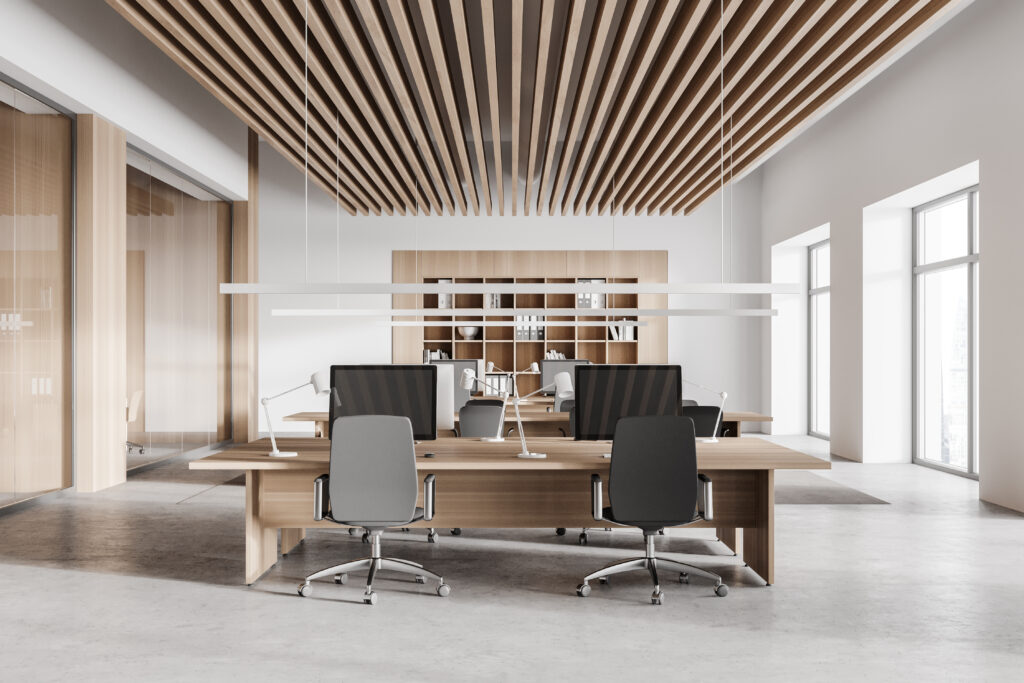
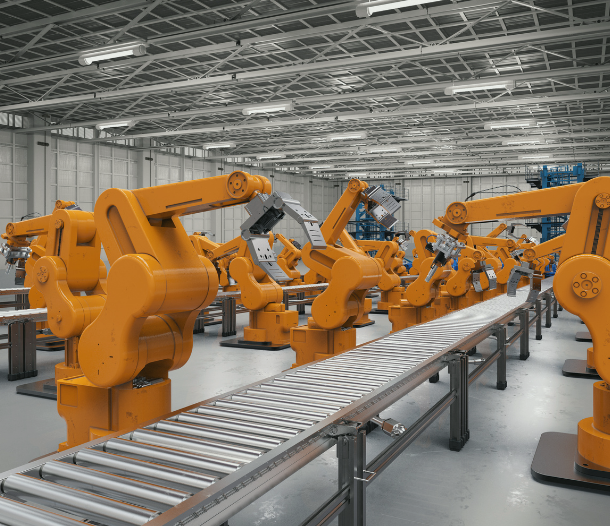




The workplace has come a long way from fluorescent lights, cubicles, and clunky desktop computers. Today, businesses are transforming their spaces into smart offices—work environments powered by IT that are not only efficient but also intuitive, adaptable, and, frankly, pretty futuristic.
And this isn’t just hype. The smart office market is projected to skyrocket to $122.6 billion by 2032, fueled by the demand for hybrid work, sustainability goals, and rapidly advancing technologies like artificial intelligence (AI), the Internet of Things (IoT), and cloud computing.
For many organizations, especially those working with managed IT services in Dallas, this evolution isn’t just about cool gadgets—it’s about building workplaces that are secure, efficient, and future-ready.
The Digital Backbone: Networks That Do the Heavy Lifting
Every smart office starts with a strong network. Think of it like a city’s roads—if traffic can’t move smoothly, everything else falls apart.
- Wi-Fi 6: Unlike older Wi-Fi, Wi-Fi 6 is designed to handle dozens (even hundreds) of connected devices at once. That means all your smart lights, thermostats, laptops, sensors, and video calls can run without constantly fighting for bandwidth.
- Network fabrics: Instead of rigid, traditional networks, modern offices use flexible, scalable designs that make it easy to add new devices without slowing things down.
- Power over Ethernet (PoE): Here’s a cool one—your Ethernet cable can now deliver power as well as data. With the latest upgrades, PoE can run things like monitors, sensors, and even room air conditioners, all through the same cable that gives you internet.
Companies often lean on an IT service provider to design and maintain this infrastructure. Without that backbone, none of the smart office perks are possible.
The Nervous System: Building Automation Systems
If the network is the backbone, Building Automation Systems (BAS) are the nervous system. BAS ties everything—lighting, HVAC, security, energy management—into one centralized, intelligent platform.
Here’s how it works in layers:
- Sensing: IoT sensors track things like temperature, air quality, and how many people are in the room.
- Processing: AI-driven controllers analyze that data and predict what’s needed—whether it’s turning up the AC before a heatwave or dimming lights when natural sunlight is strong.
- Action: The system makes adjustments automatically. Lights dim. Air conditioning eases off. Doors lock at closing time.
It’s seamless, and it makes the office feel like it’s “thinking” on its own.
Cloud Meets Edge: Smarter, Faster Decisions
Data powers everything in a smart office, and it has to move fast. That’s where cloud and edge computing come in.
- Cloud computing keeps things scalable—businesses can add new services, apps, or data storage without major overhauls.
- Edge computing keeps things responsive—processing happens close to where data is generated (like a sensor in your meeting room) instead of sending everything across the internet to a distant data center.
Together, they create a system that’s fast, secure, and always ready to adapt. Businesses that work with outsourced IT services in Dallas are increasingly leveraging this combination to improve performance and security.
IoT Sensors: The Eyes and Ears of the Office
Sensors are the unsung heroes of smart offices. They’re everywhere—quietly collecting data to optimize your workspace.
Some examples:
- Occupancy sensors: Track whether meeting rooms or desks are actually being used.
- Air quality sensors: Measure CO₂ and humidity to make sure employees aren’t dozing off in stuffy air.
- Light and motion sensors: Adjust brightness or turn lights off when rooms are empty.
- Sound detectors: Monitor noise levels to keep shared spaces comfortable.
These insights make space planning and energy use more efficient, which is especially valuable for companies juggling hybrid work solutions.
AI and Machine Learning: From Reactive to Predictive
Artificial intelligence takes smart offices from automated to intelligent.
- Automation: AI can handle repetitive tasks like scheduling meetings, welcoming guests through digital kiosks, or answering employee FAQs via chatbots.
- Predictive maintenance: Instead of waiting for something to break, AI monitors equipment and predicts issues before they happen—reducing downtime by up to 40%.
- Personalization: Imagine your desk automatically adjusting its height, lighting, and even temperature to your preferences the moment you sit down. That’s not science fiction—it’s happening.
Forward-thinking businesses often rely on managed IT services in Dallas to implement these AI-driven systems, ensuring everything runs smoothly behind the scenes.
Sustainability at the Core
One of the biggest selling points of smart offices? Energy savings and sustainability.
- Smart lighting: Adjusts based on occupancy and natural light.
- HVAC automation: Cuts energy waste by heating and cooling only where people are.
- Space optimization: Data shows which areas are rarely used, so businesses can downsize or repurpose.
These systems don’t just lower utility bills—they also help companies hit ESG (Environmental, Social, Governance) goals and appeal to eco-conscious employees and clients.
Security: Beyond Keycards
Smart offices also rethink how we secure buildings.
- Access control: Biometrics, mobile passes, and smart locks replace outdated keycards.
- Integrated systems: Video surveillance, alarms, and IoT devices connect to one central hub.
- Remote monitoring: Security teams can manage systems from anywhere.
But there’s a flip side: cybersecurity. Every connected device is a potential entry point for hackers. With studies showing 57% of IoT devices are vulnerable, businesses must implement strict encryption, authentication, and regular updates to keep offices secure.
That’s where cybersecurity companies in Dallas are stepping up—helping organizations protect both their physical and digital environments.
What’s Next: Future Trends in Smart Offices
The smart office revolution is just getting started. Here’s what’s around the corner:
- Digital twins: Virtual replicas of office buildings that simulate everything from energy use to employee movement.
- 5G connectivity: Faster, more reliable networks to support even denser IoT setups.
- AR and VR: Immersive tools for remote collaboration and training.
- AI evolution: Smarter systems that predict needs, optimize hybrid workspaces, and personalize work experiences.
- Green tech: Integration with renewable energy and carbon tracking tools to meet sustainability targets.
The Challenges
Of course, it’s not all plug-and-play. Smart offices face hurdles like:
- Complex system integration (different devices, different vendors).
- Cybersecurity risks with so many connected endpoints.
- Scalability challenges as workplaces expand.
- The human side—training staff and getting them comfortable with new tech.
The key is phased deployment: start small (like smart lighting or HVAC) and scale up gradually with the support of an experienced IT services provider in Dallas, TX or wherever your business operates.
Conclusion: Smarter Offices, Smarter Work
The office of the future isn’t just about cool gadgets—it’s about creating workplaces that are efficient, sustainable, secure, and adaptable to how we work today.
IT is the powerhouse behind this shift. From advanced networks to AI-driven automation, the technology shaping smart offices is redefining what it means to “go to work.”
And as hybrid work continues to evolve, one thing’s clear: businesses that embrace smart office IT today—and partner with trusted outsourced IT services—will be better prepared for tomorrow’s workplace demands.
