



Tariffs aren’t just political headlines anymore. They’re showing up in freight volumes, truck prices, warehouse strategies, and even payroll decisions. For logistics companies, 2026 isn’t about reacting to one big change: it’s about managing ongoing volatility. Costs are up, certain trade lanes are shrinking, customers are pushing for lower rates, and no one expects things to “go back to normal” anytime soon.
Here’s what’s actually happening — and what it means for the logistics industry.
Costs Are Rising (And Not Just a Little)
Let’s start with the obvious: tariffs increase costs.
Most shippers report higher logistics expenses tied directly to tariffs and duties. For many companies, those increases fall in the 10–15% range. For others, they’re even higher.
That pressure hits everyone in the supply chain:
- Shippers pay more to import goods
- Carriers face higher equipment and operating costs
- 3PLs get squeezed during contract negotiations
In an industry already dealing with tight margins, that’s a serious challenge.

The “Front-Loading” Effect Is Over
If 2025 felt busy for a while, there was a reason.
Before new tariffs kicked in, many importers rushed to bring goods into the U.S. early. This strategy, often called “front-loading,” temporarily boosted freight volumes. Ports were busy, containers were moving, and truck demand spiked.
But that surge didn’t last.
Once inventory levels stabilized, freight volumes dropped sharply. National truck tonnage fell year over year. Spot market loads declined compared to previous years. Ocean freight rates softened.
In simple terms: the early rush pulled demand forward, and now the industry is dealing with the slowdown that followed.
Some Trade Lanes Are Shrinking
The China-to-U.S. corridor has historically been one of the busiest trade routes in the world. But tariffs have changed that dynamic. At various points, shipments from China slowed dramatically, especially for major retailers and manufacturers.
That matters because a large percentage of cargo entering major West Coast ports traditionally comes from China. When that volume softens, the impact spreads across:
- Ports
- Drayage providers
- Rail operators
- Regional trucking networks
- Warehouses
This isn’t just about fewer containers. It’s about entire regional freight ecosystems adjusting.
Nearshoring Is Gaining Momentum
At the same time, companies aren’t just pulling back. They’re shifting.
More businesses are exploring sourcing alternatives in:
- Mexico
- Southeast Asia
- India
- Other emerging markets
This is often referred to as nearshoring or supply chain diversification.
For logistics providers, this changes everything:
- Different ports see more traffic
- Cross-border trucking becomes more important
- Warehousing needs shift geographically
- Customs complexity increases
The freight map is being redrawn. And providers that adapt quickly will benefit the most.
Layoffs and Financial Strain
When costs rise and volumes fall, companies must make tough decisions. Reports show that tariff-related layoffs have increased over the past year. Some large global carriers have cut jobs after facing falling freight rates and excess capacity.
But even companies that aren’t laying people off are facing financial strain.
Tariffs often require higher customs bonds, which ties up working capital. That’s money that can’t be used for:
- Technology upgrades
- Facility expansion
- Fleet growth
- Hiring
Many executives describe this as an “invisible tax” on operations.

E-Commerce Took a Hit Too
Another major shift involves the elimination of the de minimis exemption. This rule previously allowed goods under $800 to enter the U.S. duty-free.
Over the past several years, this has fueled massive growth in direct-to-consumer imports. Parcel volumes exploded as overseas sellers shipped low-cost products straight to American buyers. Now, significant tariffs apply to those shipments.
The result:
- Cross-border parcel volumes have softened
- Last-mile providers are adjusting forecasts
- Some e-commerce models are under pressure
For logistics companies focused on small parcel and final-mile delivery, this change is meaningful.
How Logistics Companies Are Responding
Despite the headwinds, the industry isn’t standing still.
Here’s how companies are adapting.
1. Renegotiating Contracts
Many shippers are pushing for lower shipping rates to offset higher tariff costs. Carriers and 3PLs are renegotiating agreements to reflect current market realities. It’s a balancing act between protecting margins and maintaining long-term relationships.
2. Managing Capacity Carefully
Ocean carriers are canceling certain sailings and adjusting speeds to better match supply with demand. The goal is simple: avoid flooding the market with too much capacity and driving rates even lower.
3. Expanding Services
Some logistics providers are adding:
- Customs brokerage
- Trade compliance consulting
- Tariff classification support
Helping customers navigate complexity creates new revenue streams and strengthens partnerships.
4. Redesigning Networks
Warehousing strategies are evolving, and companies are repositioning facilities closer to emerging trade hubs and nearshoring zones. Flexibility is becoming more important than scale. Instead of building massive, rigid networks, many providers are investing in adaptable ones.
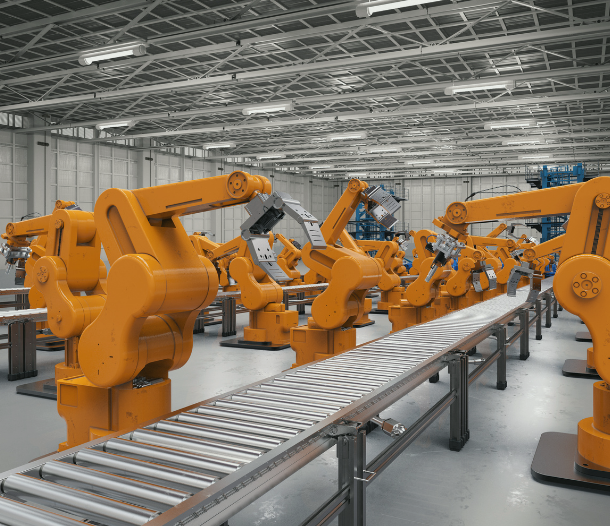
5. Investing in Technology
Automation and AI tools are no longer optional.
Technology helps logistics companies:
- Forecast demand more accurately
- Adjust pricing dynamically
- Improve visibility
- Reduce operational costs
In a softer market, efficiency is survival.
Conclusion
Freight volumes may remain soft through part of 2026, with recovery tied to interest rates, consumer demand, and trade policy stability. However, tariffs are no longer a short-term disruption. They are now a permanent factor shaping costs, trade flows, and strategic decisions across the logistics industry.
Companies that build flexibility into their contracts, networks, and cost structures will be far better positioned than those waiting for conditions to “return to normal.” The market may be challenging, but adaptability will define who moves forward the strongest.
If your logistics operation needs stronger technology, better visibility, and a more resilient IT foundation to navigate this shifting landscape, our team is here to help. Reach out to learn how we can support your growth and stability in 2026 and beyond.
